
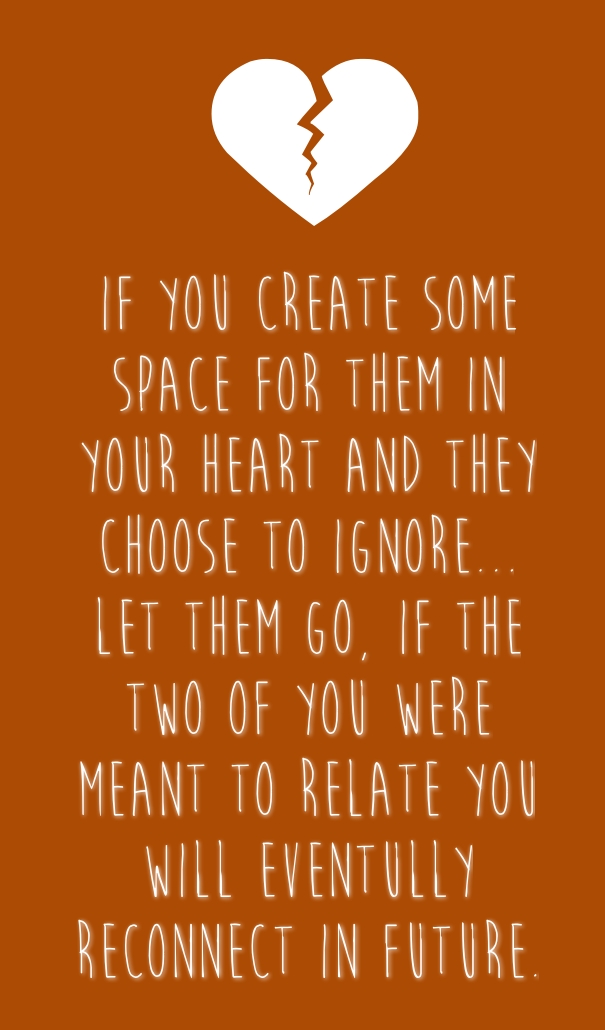
Letting Go of Love: How to Heal After a Breakup
Okay, so your heart's been stomped on. Your world feels like it's ended. Breakups suck, plain and simple. There's no magical cure, no instant fix, no app to download that'll magically make the pain disappear. But there *is* a path to healing, and I'm here to walk it with you. This isn't going to be a quick, easy read; healing takes time, but trust me, you *will* get through this.
Allow Yourself to Feel
First things first: don't bottle it up. I know, the last thing you want to do is wallow in sadness, but suppressing your emotions will only prolong the healing process. Let yourself cry, scream into a pillow, listen to sad songs â€" whatever you need to do to process your feelings. It's okay to not be okay. In fact, it's completely normal.
The Stages of Grief (and why they're totally normal)
You might experience different stages of grief, and that’s okay. It doesn't follow a neat, linear path. You might bounce around between them. These stages aren't set in stone, but you might find yourself experiencing:
- Denial: "This isn't really happening."
- Anger: "I hate them! Why did they do this to me?!"
- Bargaining: "If only I had done this differently…"
- Depression: Feeling utterly hopeless and sad.
- Acceptance: A gradual understanding and moving forward.
Don't try to rush through these stages. Allow yourself the time you need to process each one. It's a journey, not a race.
Cut the Ties (at least for a while)
This is probably the hardest part, but it's crucial. Unfollowing them on social media, deleting their number, and minimizing contact are essential steps in moving on. Seeing their posts, hearing their voice, or even just knowing they’re out there can keep you stuck in the past. Give yourself the space you need to heal without constant reminders.
The Temptation to "Just Be Friends"
We've all been there. The "let's stay friends" line after a breakup. While it sounds nice in theory, it can seriously hinder your healing. Unless you're both genuinely ready for a platonic friendship (which is rarely the case immediately after a breakup), it’s best to create distance. It’s like trying to heal a broken bone while constantly poking it.
Rediscover Yourself
Breakups often force us to confront who we are outside of the relationship. This is a fantastic opportunity for self-discovery! What are your passions? What are your hobbies? What makes *you* happy? Now’s the time to explore those things again. Take a class, join a club, pick up a new hobbyâ€"anything that brings you joy and helps you reconnect with yourself.
Self-Care is Key
Treat yourself with kindness. Engage in activities that nurture your physical and mental well-being. This might include exercise, meditation, healthy eating, getting enough sleep, spending time in nature, or pursuing creative activities. Prioritize yourself â€" you deserve it!
Lean on Your Support System
Don't isolate yourself. Talk to friends and family. Let them support you. They're there for a reason. Sharing your feelings can be incredibly cathartic, and having people to lean on during this difficult time can make all the difference. If you don't feel comfortable talking to loved ones, consider seeking professional help.
Forgive Yourself (and Maybe Them)
It’s easy to blame yourself for the breakup, to replay every conversation, and analyze everything you did "wrong." But relationships are rarely the fault of just one person. Try to practice self-compassion. Forgive yourself for any mistakes you made. Forgiving your ex isn't about condoning their actions, it's about releasing the anger and resentment that's holding you back. It's a process, not a quick switch.
Focus on the Future
Healing takes time, but remember this is temporary. You will feel better. Start setting small, achievable goals for yourself. Focus on your aspirations, your dreams, and what you want your future to look like. This will help shift your focus from the past to the future, which is filled with possibilities.
Seek Professional Help if Needed
There's absolutely no shame in seeking professional help. A therapist can provide you with coping mechanisms, support, and guidance to navigate this challenging time. They can offer a safe space to process your emotions and develop healthy strategies for moving forward. Your mental health is important.
Remember: You Are Not Alone
Millions of people have gone through breakups. You are not alone in your pain. It’s a universal experience, and you will get through this. Remember your strength, your resilience, and your worth. You deserve happiness, and you will find it again.
Commonly Asked Questions
Q: How long does it take to get over a breakup?
A: There's no set timeline. It varies greatly depending on the length and intensity of the relationship, your personality, and your coping mechanisms. Be patient with yourself.
Q: What if I still love my ex?
A: It's normal to still have feelings, even after the breakup. Allow yourself to grieve the loss of the relationship, but focus on nurturing yourself and moving forward. The feelings will fade with time and distance.
Q: Is it okay to reach out to my ex?
A: Generally, it's best to avoid contact, at least initially. Reaching out can hinder your healing process and might give your ex mixed signals. Focus on yourself first.
Q: How do I stop thinking about my ex?
A: It takes time and effort. Keeping yourself busy, focusing on self-care, and building new connections will help. Journaling and mindfulness practices can also be helpful.
Q: What if I keep having setbacks?
A: Setbacks are normal. Don't beat yourself up over them. Acknowledge your feelings, learn from the experience, and gently redirect your focus back to your healing journey.
No comments:
Post a Comment